Loading…
How to Plan a Product Launch That Gets People Talking
A product launch earns attention when the reveal is backed by product truth, hands-on proof, a clear next action and content built for every audience.
Back to blog
Vulture Events Team12 min readEvent Planning
A product launch that gets people talking is never just a good reveal. The reveal is the spark, but conversation is sustained by proof, by a clear reason to act, and by content that keeps circulating after the room empties. In a market as crowded and media-savvy as Dubai, the launches that break through are the ones built as a complete experience rather than a single dramatic moment.
Dubai audiences have seen every trick in the production book: confetti cannons, LED tunnels, celebrity walk-ons. Spectacle still works when it is earned. What no longer works is spectacle that hides a thin product story. Guests leave talking about the product when the night makes the product’s value feel inevitable.
Know exactly who you are launching to
"Everyone" is not an audience. A launch usually serves several groups at once — press and influencers who spread the story, partners and distributors who sell it, existing customers who validate it, and prospects who might buy. Each wants something different: journalists want a headline and access, partners want commercial confidence, customers want relevance.
Decide which audience is primary and design the event around them, then add touchpoints for the others. Trying to serve everyone equally usually results in an event that excites no one.
In the UAE, also consider regional nuance. A Gulf retail launch, a B2B technology unveil and a lifestyle brand moment for visitors during peak season each need different guest lists, tones and proof points. Invite fewer people who matter more, rather than filling a room for optics.
Anchor the reveal in product truth
Spectacle without substance is forgotten by the next morning. The most memorable reveals dramatise something genuinely true about the product — its speed, its craftsmanship, its scale, its simplicity. Before choosing how to reveal, define the one idea you want people to leave repeating, and make the reveal a physical expression of that idea.
The mechanism can be as bold as an LED and stage sequence or as restrained as a single spotlight, but it should feel inevitable in hindsight: of course that is how this product was revealed.
Write the post-reveal talking point first. If guests cannot summarise why the product matters in one sentence after the applause fades, the creative has not done its job. Vulture Events’s product launch events work usually begins with that sentence, then reverse-engineers the room, the reveal and the demo path from it.
Let people experience it, not just see it
Belief comes from contact. Wherever possible, move guests from spectators to participants with hands-on demos, try-before-you-leave stations, or guided experiences that let people feel the difference the product makes. A well-staffed demo area with knowledgeable hosts often does more for conversion than the reveal itself.
If the product cannot be physically handled, simulate the experience — interactive screens, VR, or a staged scenario that shows it in real use. The goal is to convert curiosity into conviction.
Staff demos with people who can answer hard questions, not only people who can smile and hand out brochures. Train them on objections, competitive comparisons and the exact next step you want each guest type to take. A weak demo host can undo a brilliant stage moment in ninety seconds.
Design for media and social sharing
Reach multiplies when the room is built to be shared. Plan at least one signature, camera-ready moment and a clean, branded backdrop for photos and interviews. Give press a genuine reason to attend — early access, a spokesperson, a strong media kit — and make it effortless for guests to capture and post, with clear hashtags, good lighting and shareable moments spaced through the evening.
- A hero visual moment that reads instantly on a phone screen
- A branded photo and interview area with proper lighting
- A concise media kit with assets, facts and quotes ready to publish
- Spokespeople briefed and available for short interviews
Dubai’s creator and press scene moves quickly. Embargoes, exclusive angles and first-look slots still matter. Brief your social and PR teams on what can be posted live versus what waits for the official moment, so you do not lose control of the narrative in the first ten minutes.
Capture content you can use for months
The launch night is a content shoot as much as an event. Brief a photography and video team to capture the reveal, the reactions, the demos and short testimonials. Plan the edits you will need afterwards — a highlight film, social cut-downs, stills for sales decks — so the investment keeps working long after the event.
This is where many launches leave value on the table: they spend heavily on one night and capture almost nothing reusable. Decide your content deliverables before the event, not after.
Vulture Events’s event videography and LED screen rental teams often collaborate so what guests see live is also what cameras capture cleanly — matching colour, brightness and framing. That coordination is invisible when it works and painfully obvious when stage visuals look washed out on every phone in the room.
Plan the next action before the doors open
Attention is worthless if it goes nowhere. Every audience should leave with a clear next step: a pre-order link, a demo booking, a partner portal, a follow-up call. Build the mechanism to capture interest on the night — a simple sign-up, a QR code, a staffed desk — and have the follow-up sequence ready to fire the next morning while the excitement is fresh.
For sales-driven launches, agree in advance how leads are captured, who owns them and how quickly they are contacted. The speed of follow-up often determines the commercial return.
Segment the follow-up. Press get assets and quotes; partners get commercial packs; consumers get offers; internal teams get talking points. One generic blast email wastes the heat you spent money creating.
Rehearse the moments that matter
The reveal, the key speech and the transitions around them deserve a proper rehearsal. Walk the timing, the cues, the lighting and the sound so the peak moment lands cleanly. A fumbled reveal is remembered for the wrong reasons; a crisp one becomes the clip everyone shares.
Rehearse failure modes too: what if the product demo glitches, the speaker overruns, or a guest livestreams early? Calm contingency plans keep the night feeling intentional even when something wobbles.
Venue, timing and Dubai market realities
Choose a venue that supports the story. A tech product may want a clean, controllable black-box feel; a luxury lifestyle launch may want skyline, water or architectural drama. Check load-in for product crates, power for LED and demos, and whether the space photographs the way your brand needs.
Timing in Dubai is strategic. Avoid clashing with mega-events that swallow media attention unless you are deliberately riding that wave. Cooler months offer better outdoor options; summer pushes you indoors with stronger climate control and later start times. Evening launches often win for atmosphere; breakfast launches can win for press and B2B schedules.
Internal alignment before the public moment
Many launches fail internally before they fail publicly. Sales, marketing, product and regional leadership must agree on the claim, the price story, the availability date and what not to promise. Brief frontline staff the same week as the event so the story guests hear in the room matches the story they hear in stores or follow-up calls the next day.
If distributors or franchise partners are in the room, give them a private commercial session as well as the public show. They need confidence and tools, not only applause.
Build the invitation list as a launch asset
The room is part of the message. Start with a tiered invite list that distinguishes the people who can report, recommend, sell, buy or amplify the product. In Dubai that might include local business media, carefully selected creators, retail partners, regional distributors, current customers, industry specialists and internal advocates. A large guest count can look impressive in photographs, but an audience with no route to influence or purchase will not create durable momentum.
Give each group a reason to say yes. A journalist may value a preview briefing and access to a credible spokesperson; a creator may need a practical filming window and a clear disclosure brief; a distributor may need time with the commercial team. Invite wording should explain the product category, the time commitment, access arrangements and whether guests can bring a colleague. It should create interest without making claims the launch cannot substantiate.
Manage RSVP data closely in the final week. Confirm attendance by message or call for priority guests, release unused allocations early, and plan sensible no-show assumptions for catering and seating. For a tightly controlled reveal, issue coloured credentials or timed arrival groups so press interviews, VIP greetings and general registration do not collide at the door. The first ten minutes should feel considered, not like a queue outside a fashionable venue.
Make the product journey visible after applause
The reveal is only the start of the guest journey. Design what happens immediately afterwards with the same care: where people walk, what they see first, how long a demo takes, where they can ask technical questions and how they register interest. If a product has several benefits, resist placing every message on one wall. Give each zone one job, with a natural sequence from the headline promise to proof, comparison and next action.
For physical products, allow enough units and reset time for hands-on use. Queue lines should not block photographers or obscure the bar, and hosts should know when to invite a guest forward rather than simply guarding the display. For software, automotive or complex B2B offers, use appointments or small guided demonstrations for decision-makers. A private ten-minute conversation with the right specialist can matter more than another minute of stage spectacle.
Test the experience with people who do not know the product. Ask them what they think it is, what problem it solves and what they would do next. If their answers differ from the intended story, fix the signs, script or staffing before launch day. This simple test often exposes jargon that the internal team has stopped noticing.
Finally, connect the physical experience to the digital path. QR codes should lead to mobile pages that load quickly on UAE networks and reflect the same offer guests just saw. Sales teams need notification rules, demo bookings need calendar capacity, and stock or availability messaging must be accurate by market. Conversation is valuable; a frictionless path to the next meaningful action is what turns it into results.
Frequently asked questions
How long should a product launch event run? Most effective Dubai launches run ninety minutes to three hours on site, depending on whether you include dinner. Longer programmes need clearer chapters so energy does not sag. The reveal should land early enough that demos and conversations still have time to breathe afterwards.
Do we need a celebrity? Only if the celebrity strengthens the product truth and will actually engage. An mismatched famous face can distract from the product and inflate cost without improving conversion. A credible expert, founder or power user often creates better conversation than borrowed fame.
What budget line is most often underfunded? Content capture and post-event follow-up. Brands overspend on the room and underspend on the assets and sales process that extend the launch’s life. Rebalance if you want talking to turn into pipeline.
How do we keep the reveal secret until the moment? Controlled invitations, clear embargo language, phone policies where appropriate, staged load-in of product, and a show-caller who owns the cue. Perfect secrecy is rare in a connected city; aim for controlled surprise rather than paranoia.
A launch that gets people talking is engineered, not hoped for. If you want a team that can design the reveal, run the production, capture the content and set up the follow-up as one coherent plan, Vulture Events produces product launches across Dubai and the UAE — tell us about your product and we will help it make an entrance.
product launchbrand revealDubai eventsexperientialcontent
Related services
Keep reading
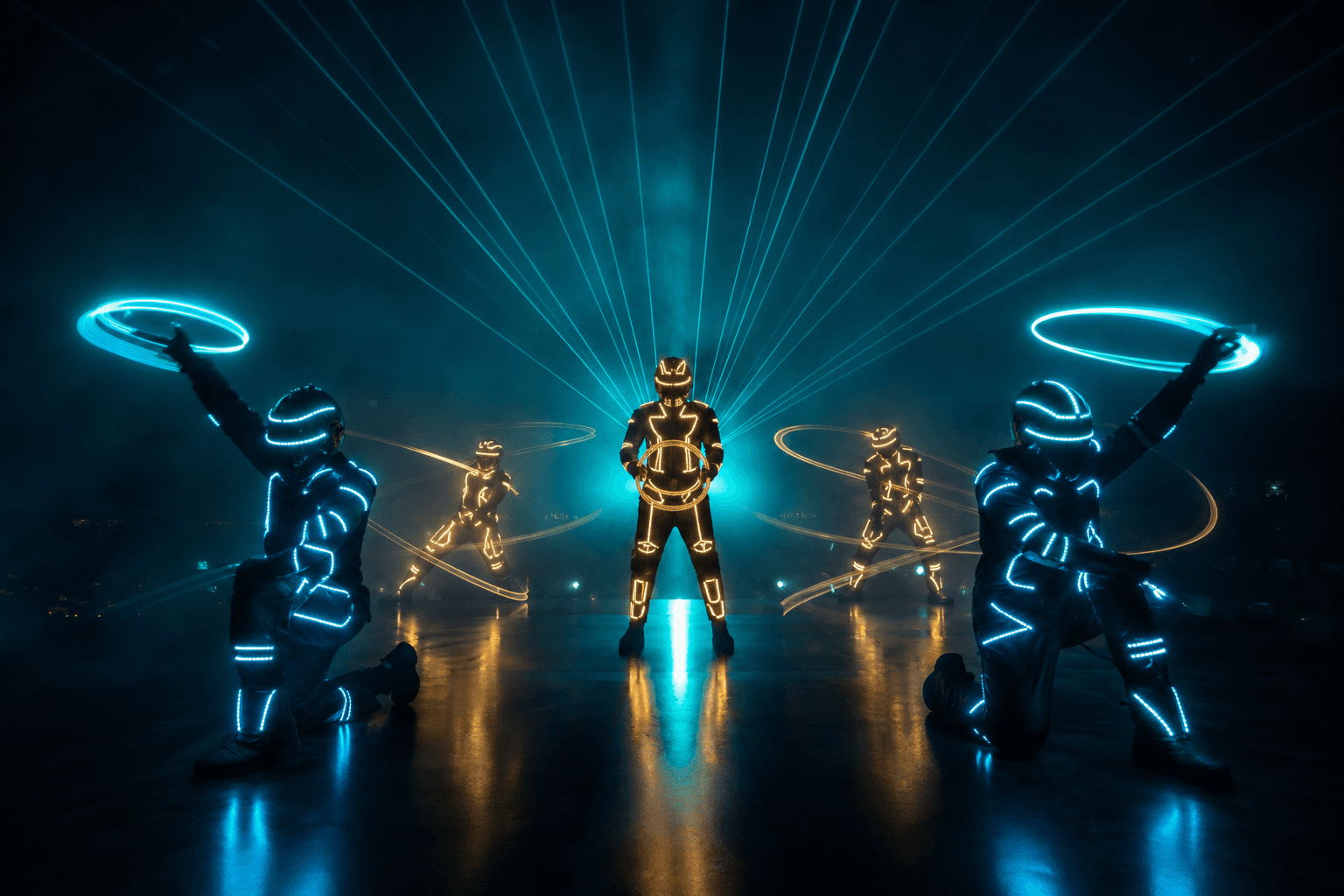
Event Planning
Global Village Dubai: What to Know Before Season 31
A practical guide to Global Village Dubai for Season 31 — what visitors can expect, how brand and event teams should plan, and how entertainment, staffing and production fit a busy outdoor destination.
Read article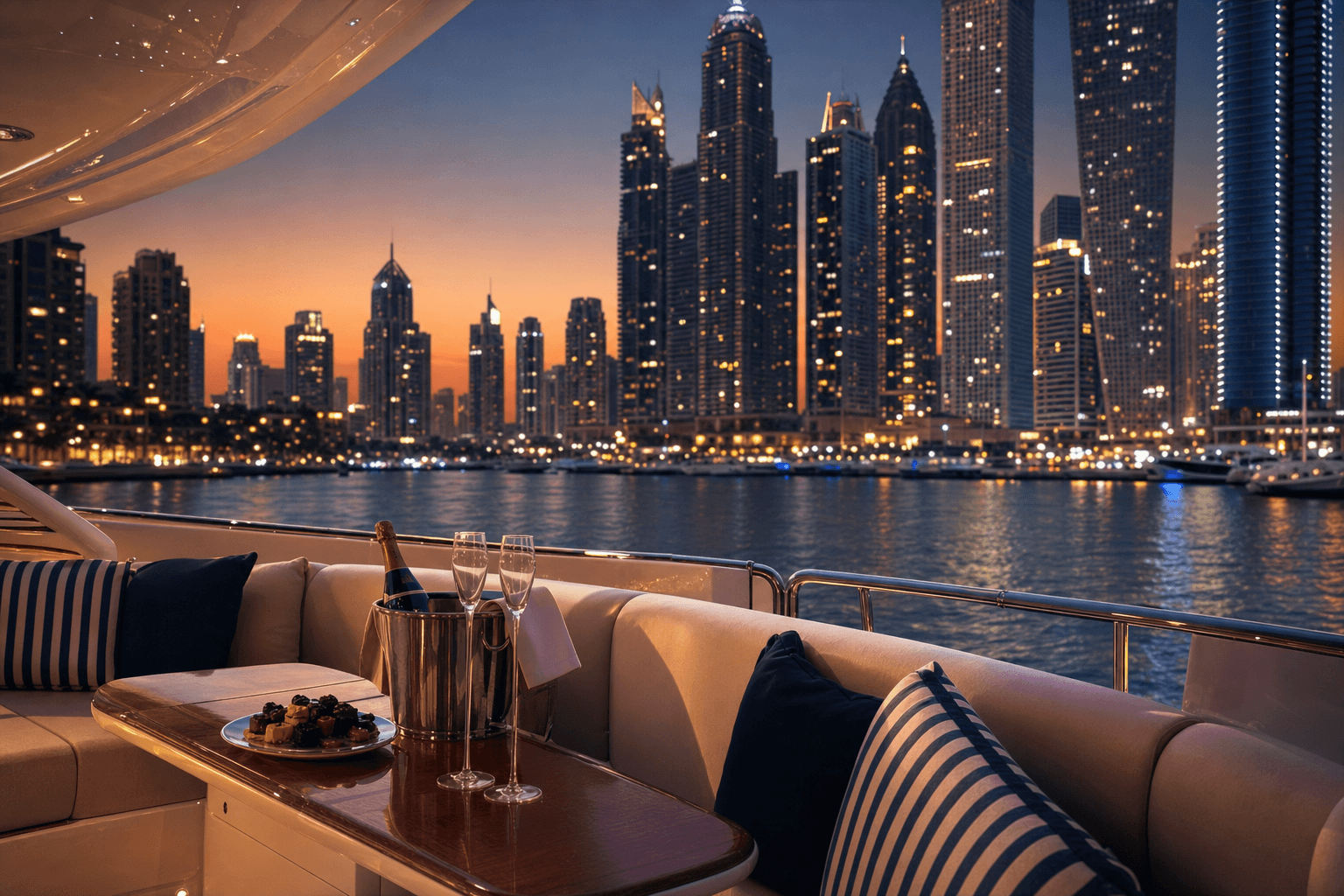
Event Planning
Abu Dhabi Event Venues Guide: Malls, Islands and Destination Locations
A practical guide to hosting events in Abu Dhabi across Yas Island, Saadiyat Island, Al Maryah Island and the capital’s major malls — with venue fit, logistics and planning advice.
Read article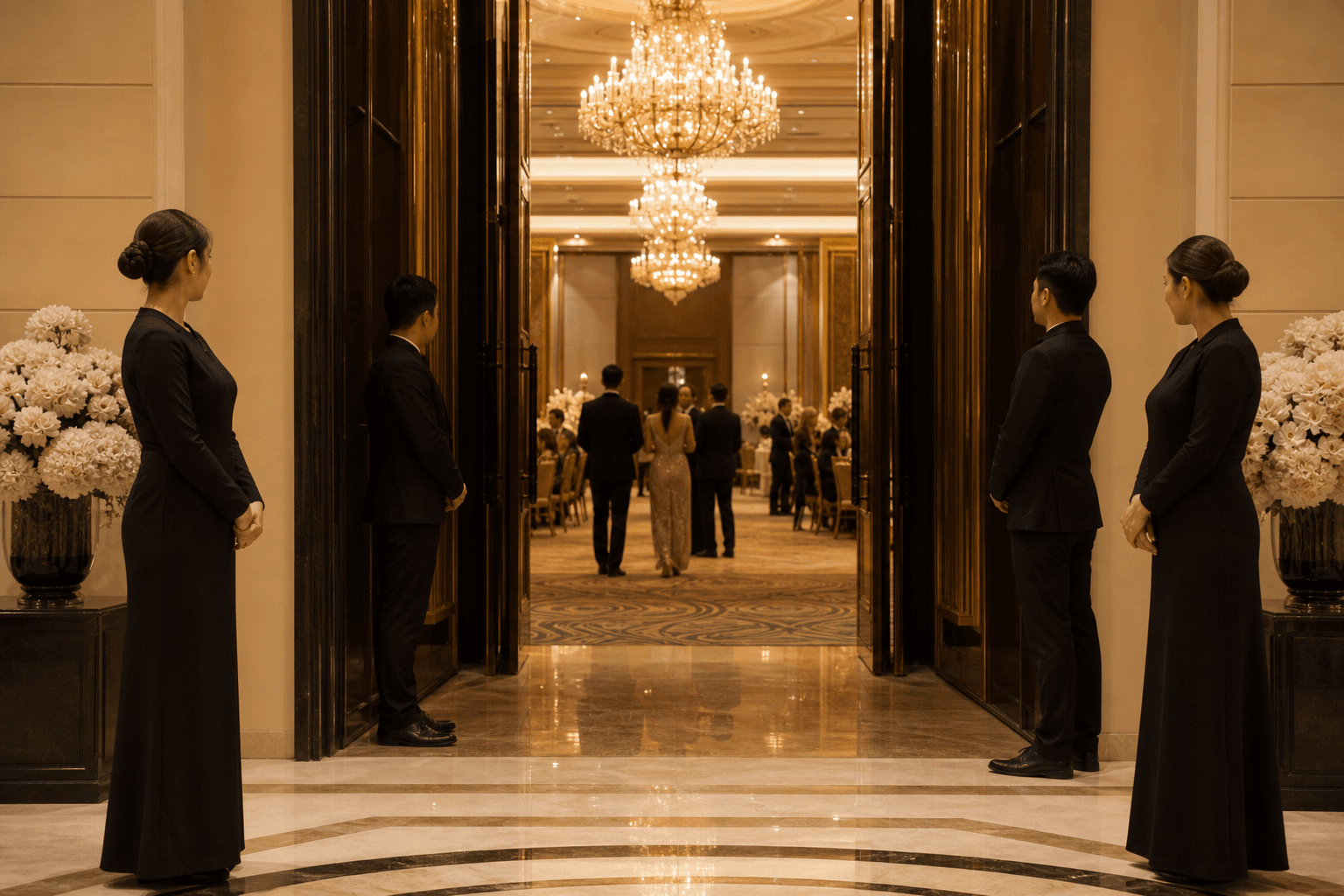
Event Planning
Complete Guide to Event Staffing, Crowd Management & Event Support Services in Abu Dhabi (2026)
A practical guide to event staffing, crowd management and on-site support in Abu Dhabi — ushers, registration, VIP guests, queues and event-day operations.
Read articleLet's Create Together
Planning an event in Dubai or the UAE?
Tell us your vision and our team will craft a tailored proposal. From intimate gatherings to large-scale productions, we bring every idea to life.